Managed IT · Backup & Disaster Recovery
A backup you've never restored is a hope, not a plan.
Ransomware, a dead server, a deleted folder, a spilled coffee — the cause doesn't matter. What matters is whether you're back up in hours with everything intact. We build for that day.
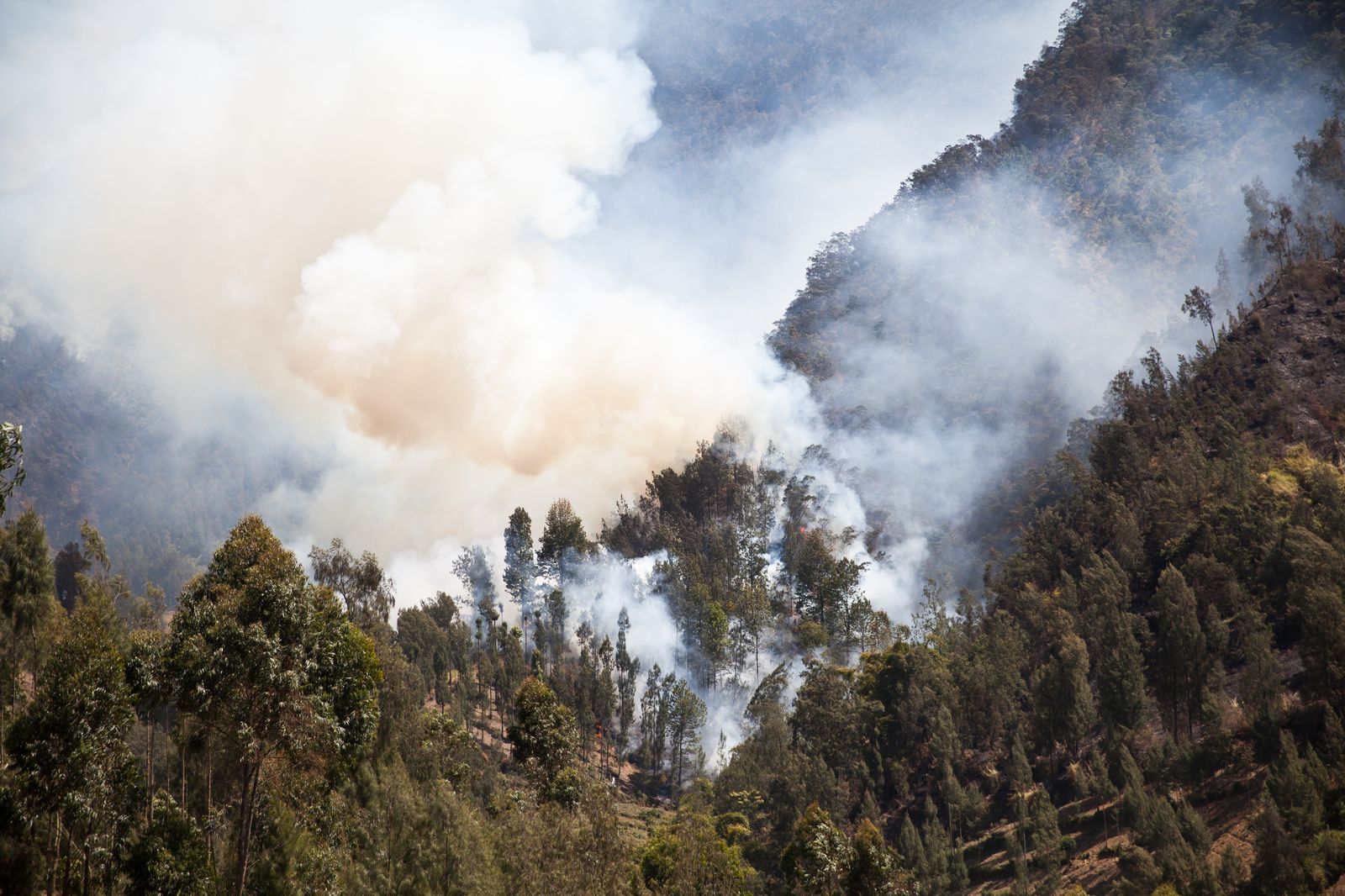
Colorado knows bad days — fire, flood, and plain old hardware failure. Your data should survive all of them.
Four questions most businesses can't answer
-
When did a restore last succeed?
Not "when did the backup run" — when did someone actually get a file back?
-
Could ransomware reach your backups?
If backups live on the same network with the same credentials, encrypting them too is step one of the attack.
-
How long would recovery take?
"We have backups" and "we'd be working again by Tuesday" are very different sentences.
-
Is Microsoft 365 included?
Deleted mailboxes and SharePoint files aren't Microsoft's problem after the retention window. They're yours.
What a real recovery posture looks like
Layered backups
Local for fast restores, off-site and isolated for the bad day, covering servers, workstations, and Microsoft 365.
Scheduled restore tests
We periodically restore real data and verify it — because a green checkmark in a dashboard isn't proof of anything.
A written recovery plan
Who calls whom, what comes back first, how long it takes — decided calmly in advance, not improvised mid-crisis. Start with our one-page ransomware plan.
Monitoring with follow-through
A failed backup job gets fixed the day it fails — not discovered the day you need it.
Full recovery architecture — layered backups, scheduled restore tests and a written plan — is part of Fully Managed IT. IT Essentials can include management of an approved backup solution when it is in scope. See what each engagement covers →
Find out if your backups would actually save you.
A free 30-minute IT risk review with a one-page findings report — backup posture included, no strings.